Moving forward in Switzerland often means proving your practical language ability in real-life situations. The FIDE test is designed exactly for that purpose. Whether you are applying for residency, citizenship, or simply want official confirmation of your skills, understanding how the exam works can make the entire experience feel much more manageable. In this guide, we’ll explore realistic fide test examples, explain the structure of the exam, and share preparation tips in a clear, friendly way.
Understanding the Structure of the fide test examples
The fide test evaluates language proficiency from levels A1 to B1. It focuses on everyday communication situations that people commonly experience in Switzerland, such as speaking with an employer, visiting a doctor, or handling paperwork at the local municipality. The test was developed on behalf of the State Secretariat for Migration (SEM), ensuring it aligns with official integration requirements.
The exam consists of two main parts:
- Oral section (Speaking & Comprehension) – 40 minutes
- Written section (Reading & Writing) – 60 minutes
You can choose to take the full test or only one section, depending on your needs. The complete exam costs CHF 250, while the oral part alone costs CHF 170 and the written part CHF 120.
Anyone over the age of 16 can register. Individuals with disabilities can also participate, with special arrangements agreed upon between the examination institution and the fide office.
What to Expect: Realistic fide test examples for Each Section
Understanding the format through practical scenarios can reduce anxiety and boost confidence. The fide test is not about complex grammar theories; it measures your ability to communicate clearly in daily life.
Oral Section (Speaking & Comprehension)
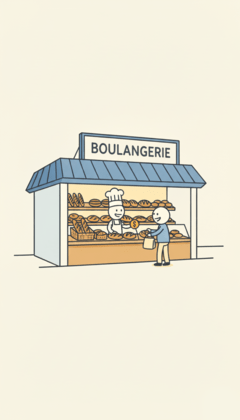
In the speaking portion, you might role-play situations such as:
- Calling a doctor’s office to schedule an appointment.
- Speaking with your child’s teacher about school progress.
- Discussing a work schedule with an employer.
You may listen to short conversations and answer comprehension questions. For example, you could hear a dialogue about renting an apartment and then answer questions about the rental price or move-in date.
Written Section (Reading & Writing)
The written part includes tasks such as reading short notices, emails, or public announcements. You might be asked to:
- Fill out a simple registration form.
- Write a short message to your landlord.
- Respond to an email about a job interview.
The writing tasks are practical and concise. They assess whether you can express yourself clearly and appropriately in everyday communication.
Registration, Timing, and Results
To register, you must contact an approved examination institution at least 15 days before your chosen test date. Switzerland offers numerous test centers across cantons, making it accessible no matter where you live.
After completing the exam, you will receive your results and Language Passport by mail within approximately four weeks. During the period between mid-December and mid-January, processing may take up to six weeks. The examination institutions and fide office do not provide results over the phone, so patience is essential.
Smart Preparation Strategies
Preparing effectively does not require complicated textbooks. Instead, focus on realistic practice. Downloading a model test is one of the best ways to understand task types and time management. You can also register for a mock speaking exam to simulate the oral environment.
If your language skills are already at level B1 or higher, you may consider applying for a fide dossier instead of taking the full exam. This option recognizes existing language competence without repeating assessment tasks unnecessarily.
The key to success is consistent practice in real-life situations. Speak with neighbors, write short messages daily, and read local notices. The more natural your communication becomes, the more confident you will feel during the test.
Conclusion
The fide test is not meant to intimidate; it is designed to reflect everyday life in Switzerland. By reviewing practical fide test examples, understanding the structure, and preparing with realistic materials, you can approach the exam with clarity and confidence. Focus on communication rather than perfection, practice consistently, and remember that this assessment simply measures the skills you already use in daily life.